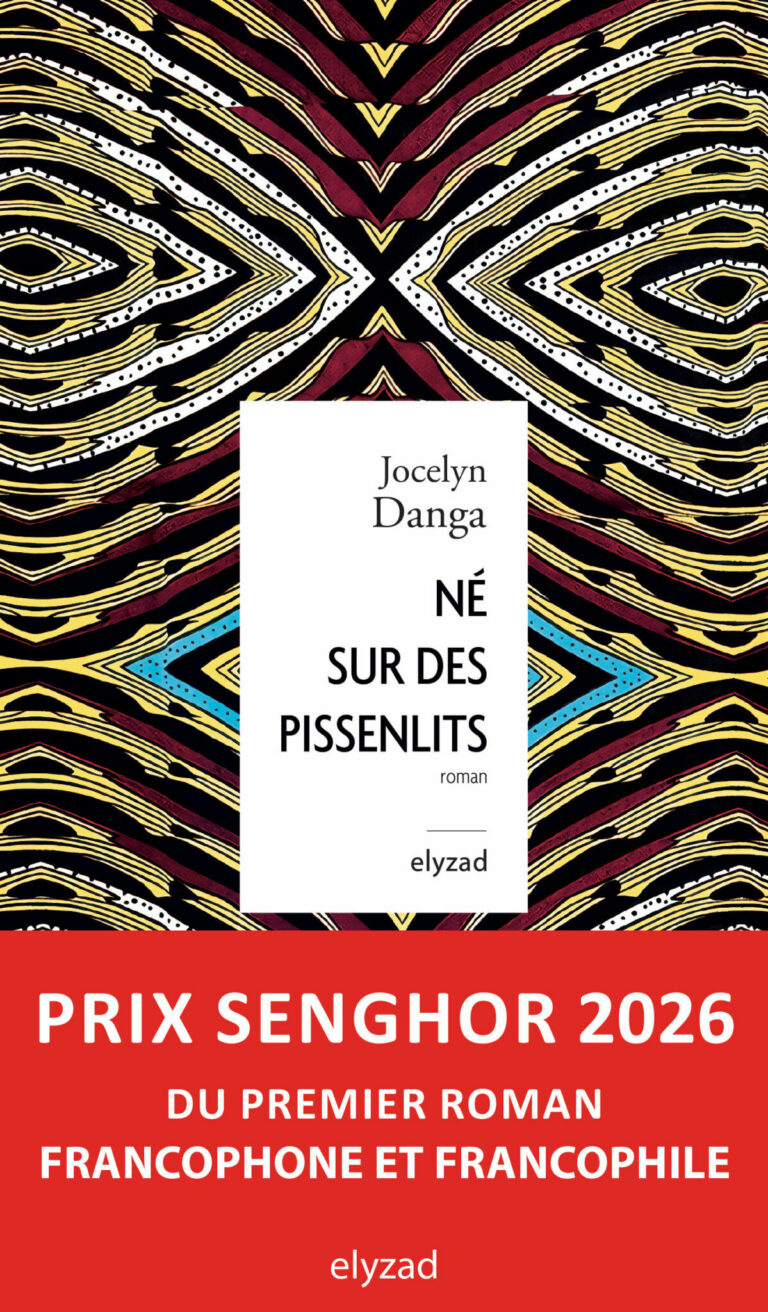
One morning in Kinshasa, Muntu Da Silva finds his school empty. He is thirty-seven, he teaches philosophy, and he gives his lesson anyway, to rows of vacant desks. The whole novel is already there in that gesture: an almost absurd loyalty to a duty nothing supports anymore, and laughter as the only way of staying on his feet.
Muntu sleeps on the couch of Moro, his Angolan mother. She dreams of a grandchild for him and has already chosen its name. He walks the city and runs into John, a civil servant friend who has learned how to work the system. A drunken night in Matonge starts the slide: the drinking, the lost job, the hustle to get by. Then comes a deal. John offers to register him for an academic conference in Metz, as long as he can keep the travel money for himself. Muntu agrees.
The second part takes the novel to France, from Paris to Lorraine. The gaze changes its object but keeps its edge. The country he hoped for turns out to be made of counters, waiting rooms and lost status. The comedy slides gradually into elegy, without ever giving way to pathos.
What holds it all together is the voice. Jocelyn Danga comes from theatre and poetry. He sets a scholar’s French, steeped in Socrates and the classics, beside the raw energy of Kinshasa street speech. Kinshasa is not a backdrop here: its boulevards, its noise and its smells make up a geography that Muntu carries with him. Beneath the farce runs a precise anger at a school system that sacrifices its young. And at the centre, quiet and stubborn, is the love of a son who wants to give his mother the best of everything.
Susu editorial note
The title turns a French idiom about death on its head. Where the dead in French “eat dandelions by the root”, much as the dead in English push up daisies, Muntu was born on them. In that reversal the novel seems to search for what remains alive once institutions have emptied out. Né sur des pissenlits extends a Kinshasa tradition of writing that turns the city into verbal material, and it gives the exile narrative a tone rarely sustained: funny without being light, clear-sighted without looking down on anyone. That it was published in Tunis also says something about the South–South circulations now reshaping Francophone publishing. Susu welcomes it as a debut, and as a voice whose next steps we will follow.